MEHER MOUNT

9902 Sulphur Mountain Road
Ojai, CA 93023-9375

Phone: 805-640-0000
Email: info@mehermount.org

HOURS

Wednesday-Sunday: Noon to 5:00 p.m.
Monday & Tuesday: Closed

MANAGER/CARETAKERS

Buzz & Ginger Glasky

BOARD OF DIRECTORS

Sam Ervin, Preident
Ron Holsey, Vice President
Ursula Reinhart, Treasurer
Jim Whitson, Director
Richard Mannis, Director

OFFICERS

Margaret Magnus, Secretary

9902 Sulphur Mountain Rd
Ojai, CA, 93023
United States

(805) 640-0000

Photo Friday Blog

"There is no 'above' and 'below.'" - Avatar Meher Baba

Meher Mount

Your Friday photo…

This photo of a full moon over Meher Mount was taken by guest caretaker and photographer Juan Mendez.

There is no ‘above’ and ‘below.’ Everything is here in the Divine Ocean itself. God alone exists everywhere.

The sun, moon, stars, planets, solar systems, innumerable universes — all are mere bubbles in this Ocean.
— Avatar Meher Baba

Source: Bhau Kalchuri, Lord Meher: The Biography of the Avatar of the Age, Meher Baba, Online Edition, pg. 3763, accessed August 8, 2025. ©Avatar Meher Baba Perpetual Public Charitable Trust, Ahmednagar, India.


“My heart’s a tiny begging bowl; Just one thing I pray..."

Meher Mount

Your Friday photo…

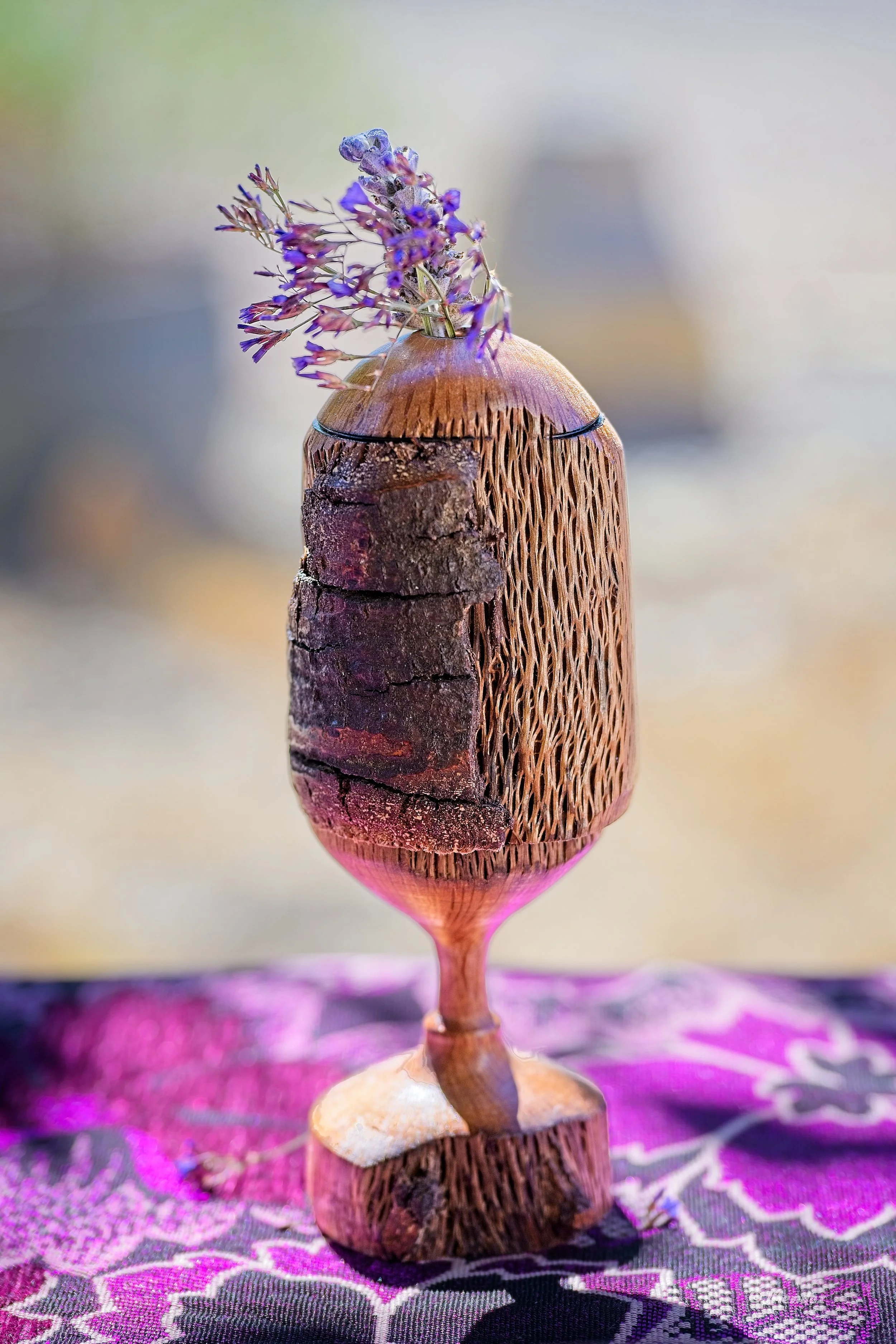
This beautiful bowl was crafted by artisan Darrel Wilson from salvaged wood from Baba’s Tree. The poem is by Heather Nadel, a resident volunteer in Meherabad and Meherazad, India, places of pilgrimage for followers of Avatar Meher Baba.

My heart’s a tiny begging bowl;
Just one thing I pray —
Make it a little bit bigger every day
Make it a little bit bigger every day —
— Heather Nadel

Begging Bowl Song

I am a poor man, I beg for my board
With a begging bowl that holds as much
As I ever care to hoard
And I wander through the countryside
Begging door-to-door
For a bowlful of love, and no more!

Well, one day feeling spritely, confident and wry,
I went up to the palace gate
Of which I’d ‘ore been shy
And I begged me a kingdom,
Of the porter asking, "Why
Does the King get it all, and not I?"

Just then in the distance, we heard a sudden sound,
Someone swift approaching
And the folk knelt all around
For the King in His splendour
From the tower room came down
And one quivering beggar He found.

He looked at me, my bowl of scraps;
He'd seen my like before
A smile flashed across His face,
And I trembled even more
Then He said, “I’d have given you the kingly store
But that bowl can't hold any more!"

Meher, darling Meher, you can see my dismay!
I didn’t know when I came to you
How much You’d give away —
My heart’s a tiny begging bowl;
Just one thing I pray —
Make it a little bit bigger every day
Make it a little bit bigger every day —

~Heather Nadel


Source
Poems to Avatar Meher Baba, an Avatar Meher Baba Trust eBook, pg. 11. ©1985 Manifestation Inc., North Myrtle Beach, South Carolina.


"The ideal prayer to the Lord is nothing more than spontaneous praise of His being." - Avatar Meher Baba

Meher Mount

Your photo Friday is in gratitude of Avatar Meher Baba…

In June 2001, visitor Arnie Goldstein attended a concert in Southern California performed by Pete Townshend of The Who and a follower of Avatar Meher Baba.

“I also decided to take a journey afterward to Meher Mount in Ojai,” Goldstein remembered. “It was a sunny day. My mind and spirit were open as I walked the grounds and took in the sights.

“Eventually I entered Baba’s Tree canopy. I brought my portable CD player and had decided to listen to ‘O Parvardigar’ by Townshend while sitting and praying (for Mother Earth) under the Baba Tree.

“There was a bench, and hanging by a string on one end of the bench was indeed a paper with the words to Meher Baba’s Universal Prayer. I sat on the ground, turned on the song, put on my headphones, and prayed.”

He suggested a link to ‘O Parvardigar’ — the Universal Prayer in music form — as a way to express gratitude to Meher Baba.

The ideal prayer to the Lord is nothing more than spontaneous praise of His being.

“You praise Him, not in the spirit of bargain but in the spirit of self-forgetful appreciation of what He really is. You praise Him because He is praiseworthy.

“Your praise is the spontaneous appreciative response to His true being, as infinite light, infinite power and infinite bliss.
— Avatar Meher Baba

Lyrics: “O Parvardigar”

O Parvardigar, the preserver and protector of all
Without beginning are you, Lord, without end
Non-dual, beyond compare and none can measure You
Without color, expression or form, nor attributes to live

You are unlimited and unfathomable
And none can plumb your depths
Imperishable beyond conception by our minds
No one can divide You, oh God, You are eternal
None can see You but with eyes divine

You always were, You always are and always will be
You are everywhere in everything and beyond
In the firmament above and in the deep
On all the seven planes and farther on
And in all that’s hidden to our eyes in all we see

Beyond the trinity of words and in the vow
You cannot be perceived or no one shall repent
O Parvardigar, preserve, protect us all
Without begging are you, Lord, without end
You always were, You always are and always will be

You are the Creator, the Lord of lords
The knower of all minds and hearts
Omnipotent, omnipresent, from you we cower
You are knowledge, infinite bliss, infinite power

You are the ocean of knowledge, knowing all
Infinitely knowing would can but tell
The knower of the past, the present and future
Crowning even this, Your knowledge itself

Oh merciful, benevolence eternal
You're the trinity of knowledge, truth and bliss
You are the source of truth, the One with infinite attributes
You are the ocean of love we sorely miss

You always were, You always are and always will be
You are the Ancient One, the Highest of the high
You are Prabhu and Parameshwar

You are the beyond God, beyond, beyond God are you
Parabrahma, Elahi and Allah
Yezdan, Ahuramazda and God, the beloved

O Parvardigar, the preserver and protector of all
Without beginning are you, Lord, without end
You are named Ezad, the only One worthy of worship
We sing the universal prayer to You, amen

~Avatar Meher Baba & Pete Townshend


Sources

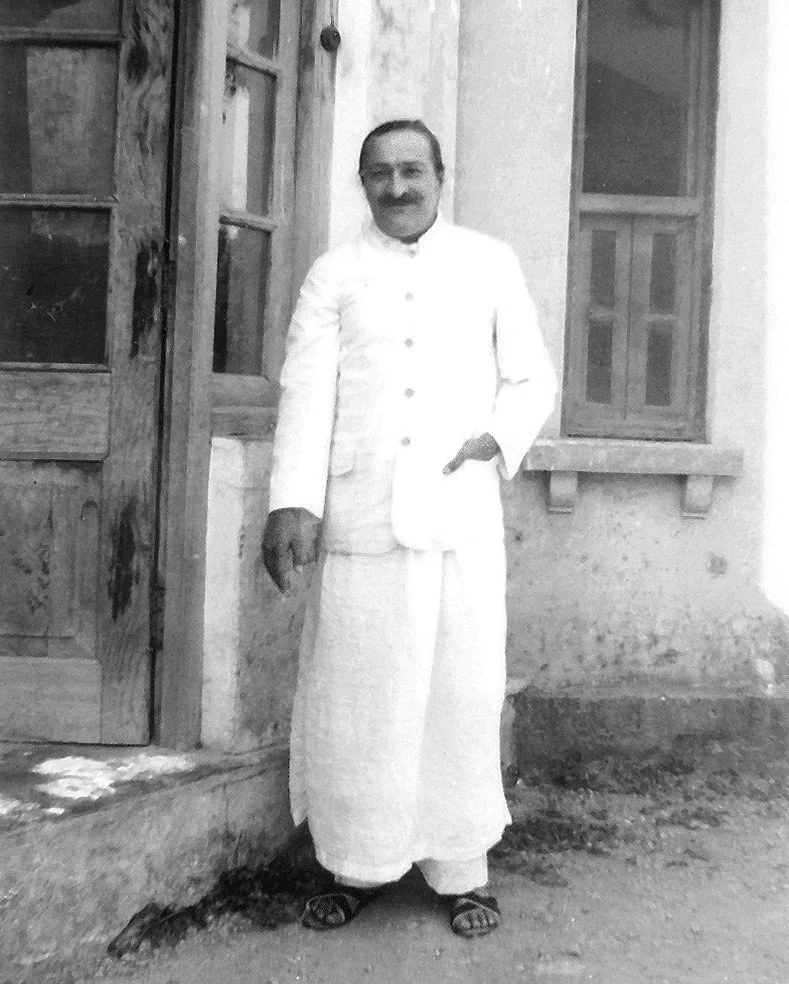
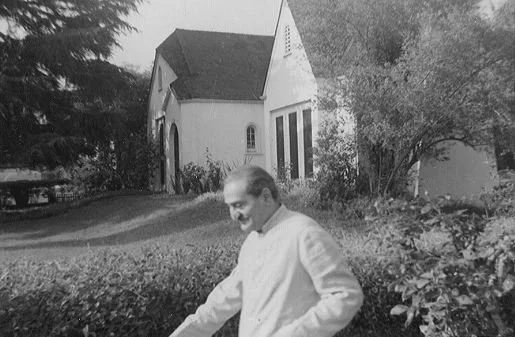
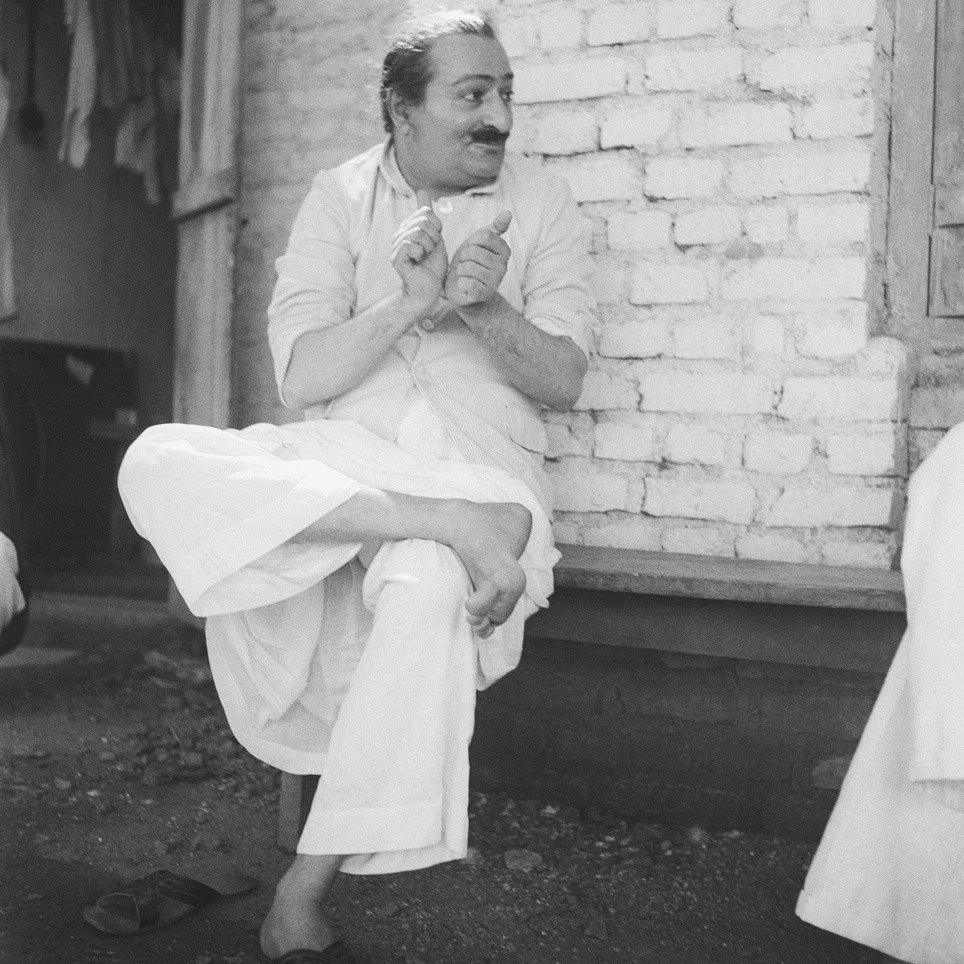
  • Photograph: Avatar Meher Baba in Guruprasad, India, 1965. ©Meher Nazar Publications. Used with permission.

  • Arnold Goldstein’s story is from a forthcoming book of stories related to Baba’s Tree to be published in 2026.

  • Pete Townshend, “Parvardigar” from the Who Came First album. ℗ 2018 Eel-Pie Recording Productions Ltd., under exclusive license to Universal Music Operations Limited. Released on: 1972-10-01. Composer Lyricist, Recording Engineer, Producer, Engineer, Associated Performer, Performer, Mixing Engineer: Pete Townshend Mastering Engineer: Jon Astley

  • Beams from Meher Baba, pp. 74-75, © Sufism Reoriented, Inc., U.S.A., 1958, 4th printing May 1996.

  • Margaret Magnus, “The Ideal Prayer to the Lord,” Meher Mount Story Blog, February 17, 2022. ©Meher Mount Corporation.


"If you let yourself go, you will see God in that bird."

Meher Mount

Your Friday photo…

Guest caretaker Juan Mendez photographed this turkey vulture in flight over Meher Mount. His comments about seeing God in nature are from his interview for the documentary film, Tree of Fire: A Story of Love and Resilience.

If you let yourself go, you will see God in that bird.
— Juan Mendez, Photographer and Guest Caretaker

The following is an excerpt from Juan Mendez’s interview for Tree of Fire, the documentary film about Baba’s Tree at Meher Mount:

“Maybe one day Baba’s Tree will not be here, and we will be sad if we are alive at that time. But we have to remember God is above everything.

“You will find a way to connect to Him. You see a fox or you feel the breeze against in your face. That's a manifestation of God. So you just have to open your heart to to see that, to feel it.

“That’s why Avatar Meher Baba said you can appreciate God in nature. Trees, the wind, the birds, the fox, the turkey vultures are nature. If you take your time at Meher Mount, you're going to see species walking around or flying.

“You'll see the birds are majestic as they fly over you and fly over Baba’s Tree. So you're seeing God. If if you let yourself go, you will see God in that bird.”


Tree of Fire: A Story of Love and Resilience

Tree of Fire is a heartfelt story of loss, survival, and spiritual connection. After a devastating fire, a once-thriving oak – blessed by Avatar Meher Baba – rises from the ashes to offer love and solace. The survival of Baba’s Tree becomes a living symbol of resilience and Divine love. Through personal testimonies, archival footage, and breathtaking imagery, the film invites viewers to rediscover their own capacity for healing, transformation, and spiritual awakening. Click here for festival screenings.


"Love has to spring spontaneously from within..." ~Avatar Meher Baba

Meher Mount

Your Friday photo…

Guest caretaker Agnes Montano recently found this heart-shaped piece of bark which had fallen from Baba’s Tree. Coincidentally, she had just heard former caretaker Elizabeth Arnold’s story about a piece of heart-shaped bark that fell from Baba’s Tree more than 15 years earlier.

Elizabeth Arnold’s story is below.

Love has to spring spontaneously from within; it is in no way amenable to any form of inner or outer force. Love and coercion can never go together; but while love cannot be forced upon anyone, it can be awakened through love itself.
— Avatar Meher Baba

Elizabeth Arnold’s story of the heart-shaped piece of bark from Baba’s Tree is told in the film Tree of Fire: A Story of Love Resilience, a documentary about Baba’s Tree.

I was giving tours under the tree. For several days I kept noticing these pieces of bark that had fallen off the tree. They were heart shaped and sometimes they would fall while people were under the tree.

I would see the heart shape and I would say, “Oh, here is a heart shaped bark. Take it with you.” People loved it.  It was fun.

Then one day, a very dear friend of mine came to Meher Mount. She wanted to go under the tree. She explained that she wanted to pray for a friend of hers. She went under the tree.

She was sitting on a bench, and I thought, “Well, she’ll really enjoy just hearing about this, the heart shaped bark that’s falling off the tree.”  I’m telling her how sometimes they just fall right off the tree, and it’s a heart shape.  

Yes, you’re probably guessing – that’s exactly what happened. A piece of bark fell right in between the two of us. I picked it up and I looked at it. On examination, it was a perfect heart shape.

I handed it to her and said, “Take this bark to your friend and tell her it is from Baba’s Tree.”  So, she did.

She had explained to me that the reason her friend was very troubled was that her friend’s daughter was in the hospital with cancer. She was only 30 years old. The disease was pretty far along, and there was a big concern. And at 30 years old, she had young children. It was very troubling to her mother.

So, my friend gave the mother the heart-shaped piece of bark. And what neither of us knew at the time, as we found out later, was that the mother, her friend, took the bark to her daughter in the hospital.

This was incredibly significant because unbeknownst to us, the daughter was a Meher Baba lover.  The mother did not understand and wanted nothing to do with it. She couldn’t conceive of it.

Now here she is going to the hospital to visit her daughter, taking her the piece of bark, and showing it to her. “This came from Baba’s Tree. It fell in front of my friend. It’s a heart shape. This is for you.”

There had been a very severe rift in their relationship at the time. They weren’t even talking. So that rift was mended.

And then in a short time, we also heard that the daughter’s cancer went into remission. That again is the power of the tree.

The daughter didn’t even come to visit the tree. She was just in love with Meher Baba. And that connection at a distance made it to her in the hospital. Baba’s Tree. A piece of bark went to her in her hospital bed where she really needed it.

~Elizabeth Arnold, Resident Caretaker 2002-2010


Meher Baba Quote
Charles Haynes, Meher Baba, The Awakener, (Second Edition, 1993, eBook), pg. 3. (North Myrtle Beach, SC: The Avatar Foundation, Inc.) ©1989 by Charles Haynes.


"Do you like tarantulas?"

Meher Mount

Your Friday photo…

This photo of a tarantula seen at Meher Mount was taken by Caretaker Ray Johnston. Guest caretaker Wayne Myers tells the story of a young boy’s interest in tarantulas which coincided with their fall migration.

Just as they were about to head out to see the views and Baba’s Tree, I felt prompted for some reason to ask the boy, ‘Do you like tarantulas?’

He leapt up: ‘Yes! Where? Where?’
— Wayne Myers, Guest Caretaker

By Wayne Myers

It was a late Sunday afternoon at Meher Mount in early October 2010, warm, dry, and quiet.

A family of three, husband, wife, and young son visiting Ojai, took a country drive and found their way up Sulphur Mountain Road to Meher Mount, somewhat inexplicably so they told me. 

While the parents and I conversed, their son, about 8 years old, seemed bored and restless as he sat in a rocking chair on the porch.

I sensed a “Why am I here?” vibe from the boy.

Just as they were about to head out to see the views and Baba’s Tree, I felt prompted for some reason to ask the boy, “Do you like tarantulas?”

He leapt up: “Yes! Where? Where?”

I had recently learned there was a tarantula migration at Meher Mount in the fall.

His mother informed me that just that week their son’s schoolteacher had brought to class a large tarantula to show the students. Their son had taken a sudden and avid interest in tarantula sightings!

I was happy to tell them I had spied a large tarantula on the move just outside Baba’s Tree that very morning. The excited boy exclaimed: “Let’s go to the tree! Let’s go to the tree!”


Tarantulas

Tarantulas are naturally docile creatures that only bite when threatened, with venom no more potent than a bee sting for most humans. They serve as vital ecosystem components, controlling pest populations while providing food for birds, reptiles, and mammals.

Their burrowing aerates soil and creates habitats for other creatures. Their feeding activities contribute to nutrient cycling, while their silk provides nesting materials for birds, making them important indicators of environmental health.

Tarantulas in California migrate, but it's more accurately described as a mating season migration. During this time, male tarantulas leave their burrows in search of female tarantulas. This typically occurs in the fall, with peak activity often in mid-October. 


"The moon was low, a silver sickle on a field of blue..."

Meher Mount

Your Friday photo is in honor of the East-West Gathering in 1962…

This untitled poem by Francis Brabazon, a close Australian disciple of Avatar Meher Baba, is one of many poems in his 50-page poetic description of Meher Baba’s East-West Gathering. This photo of the new moon over Meher Mount was taken by guest caretaker and photographer Juan Mendez.

The moon was low
a silver sickle on a field of blue
when I met you
— Francis Brabazon

The moon was low
a silver sickle on a field of blue
when I met you
and loved you with a love I could not know
would break my heart.
All I knew was that I would go
with you to world’s end,
for I was your shadow.

The night was clear
your eyes were the stars within two drops of dew
when I met you
and loved you with a love that had no fear
though it broke my heart.
All I knew was I had to bear
journey to world’s end
should you so choose to steer.

Meher, my love. Meher, my love.

~Francis Brabazon, Poet and Close Disciple


“The Moon Was Low” Set to Music

Musician Adrienne Shamszad wrote the music to this poem and performs it on her album Love without Fear. Click on the last song “The Moon Was Low”: https://adrienneshamszad.com/product/love-you-without-fear-ep/


East-West Gathering

The East-West Gathering was held from November 1-4, 1962 in Pune, India, bringing together thousands of Eastern followers and about 160 Western devotees who came at Meher Baba’s invitation. Meher Baba emphasized themes of Divine Love, oneness, and the soul's long spiritual journey. Meher Baba asked Francis Brabazon to write about the event, which resulted in Brabazon’ s poetic account of the four days.


Source
Francis Brabazon, The East-West Gathering, pg. 28. (Beacon Hill, New South Wales, Australia: Meher House Publications). ©Copyright Avatar’s Abode Trust.


"Why should I fear? When was I less by dying?"

Meher Mount

Your Friday photo…

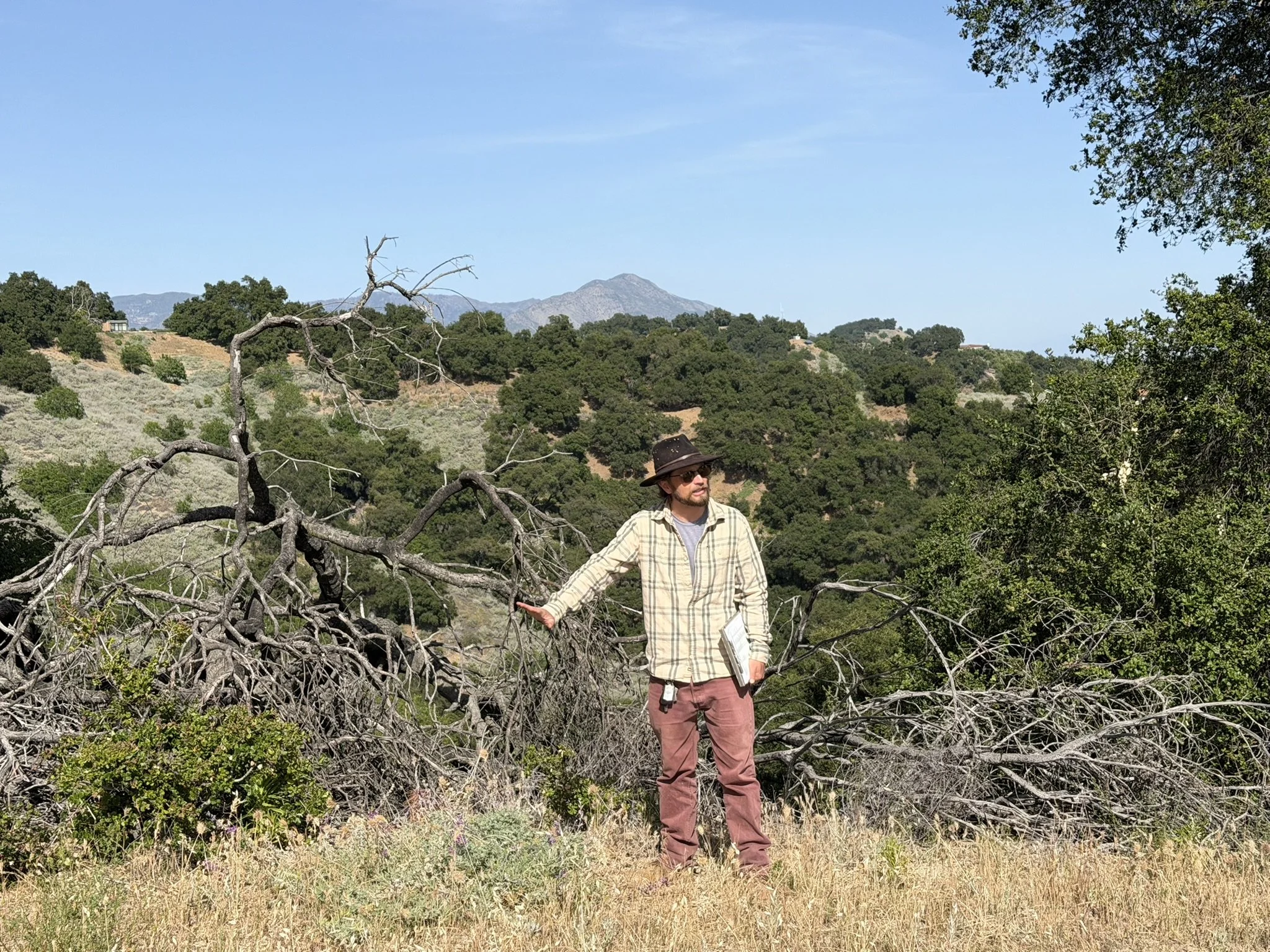
On a walk with friends on the deer trail near the old well in 2020, volunteer Margaret Magnus took this photo of a charred Coast Live Oak. “As we paused to view what remained of the tree, we began to fantasize about what the burned tree trunk represented,” she remembered.

“The right side looked like angel’s wings with the left side representing a hand reaching toward the heavens with the support and encouragement of an angel.”

In thinking about the angelic nature of this burned and dying tree, the following from the Sufi poet Rumi seemed appropriate.

I died as a mineral and became a plant,
I died as plant and rose to animal,
I died as animal and I was Man.
Why should I fear? When was I less by dying?
Yet once more I shall die as Man, to soar
With angels blest; but even from angelhood
I must pass on: all except God doth perish.
When I have sacrificed my angel-soul,
I shall become what no mind e’er conceived.
Oh, let me not exist! for Non-existence
Proclaims in organ tones, ‘To Him we shall return.’
— Jalal al-Din Rumi (1207-1273), Transalted A.J. Arberry

Jalāl al-Dīn Muhammad Rūmī, also known as Rumi, was a 13th century poet and Islamic scholar who was born in Afghanistan and wrote poetry in multiple languages, particularly Farsi. Avatar Meher Baba enjoyed listening to Rumi's poetry and praised him as one of the greatest minds of all mystical and spiritual literature.

This is a beautiful passage from Rumi's Mathnawi, one of the most celebrated pieces of mystical poetry in the Sufi tradition. The poem traces the soul's evolutionary journey through different states of being — from mineral to plant to animal to human, and ultimately beyond human form toward union with the Divine.


Possible Source
Jalāl al-Dīn Rūmī, The Mathnawí of Jalálu’ddín Rúmí, ed. and trans. Reynold A. Nicholson, Book III (London: E. J. W. Gibb Memorial/New York: Cambridge University Press, 1926), vv. 3901–3906.


"Love needs to flow, and it needs someplace to flow to..."

Meher Mount

Your Friday photo…

Avatar Meher Baba said of His work contacting masts in India, "the God of love meets the God-intoxicated." This 1936 photo is of Avatar Meher Baba (right) and Mohammed the mast (left) embracing.

The following explanation of Avatar Meher Baba’s love for masts is from Befitting a Fortunate Slave: Meher Baba's Eruch by Davana Brown. Eruch Jessawala (1916-2001) was one of Meher Baba’s closest disciples who often interpreted Baba’s hand gestures and use of the alphabet board. Davana Brown is a resident volunteer at Meherazad and was Eruch’s assistant for 20 years after Meher Baba dropped His physical body.

Thank you to long-time visitor Martha Aubin for suggesting this passage.

Love needs to flow, and it needs someplace to flow to, and the masts are the channels through which His love flows.
— Eruch Jessawala, Close Disciple of Avatar Meher Baba

One of the most common questions, Davana Brown writes, that came up during pilgrim sessions in Mandali Hall (Meherazad, India) was: “Why did the Avatar go on mast hunts?”

Eruch Jessawala explained about Meher Baba and His travels all over India to make contact with these masts:

“The whole purpose is so beautiful: it is the outpouring of love from the very source of love.

“Love needs to flow, and it needs someplace to flow to, and the masts are the channels through which His love flows.

“He is like a huge reservoir of love that just wants to flow out, and they are the channels most beloved to Him, so He wants to adore them. He wants to worship them, and they want to worship Him.

“He says that He is the slave of the love of His lovers, and these masts are the ones who have become overwhelmed with love for the Lord.

“So He hunts them down and becomes the slave of that love, trying to serve that love. That is what He has told us.”

~Eruch Jessawala, Close Disciple of Meher Baba


Masts (pronounced ‘must’)

According to Meher Baba, the word mast refers to advanced souls on the spiritual path who have an overwhelming experience of God’s presence and who are not conscious of their worldly surroundings. Totally absorbed in God, they no longer are able to function in the world. They are overcome by an agonizing love for God and are drowned in their ecstasy. Only love can reach them. Meher Baba called them God-intoxicated.


  • Sources
    Davana Brown, Befitting a Fortunate Slave: Meher Baba's Eruch, Volume I: By Your Grace Anything is Possible, pg. 418. (Myrtle Beach: Sheriar Foundation) ©2024 Avatar Meher Baba Perpetual Public Charitable Trust, Ahmednagar, India.

  • Bhau Kalchuri, Lord Meher: The Biography of the Avatar of the Age, Meher Baba, Online Edition, pg. 4003, accessed September, 2025. ©Avatar Meher Baba Perpetual Public Charitable Trust, Ahmednagar, India.

  • Photo: Avatar Meher Baba with Mohammed the mast in 1939. ©Meher Nazar Publications, Ahmednagar, India. Used with permission.


"Those who crowd in my path do not know that I am walking alone with you..."

Meher Mount

Your Friday photo…

The beauty of sunlight on Baba’s Walkway at Meher Mount is captured by guest caretaker and photographer Juan Mendez. This flagstone pathway is one of the few remaining artifacts from Avatar Meher Baba’s 1956 day at Meher Mount.

The poem by Rabindranath Tagore, a Bengali poet, was suggested by Margaret Magnus.

Those who are near me do not know that you are nearer to me than they are

Those who speak to me do not know that my heart is full with your unspoken words

Those who crowd in my path do not know that I am walking alone with you

They who love me do not know that their love brings you to my heart.
— Rabindranath Tagore (1861-1941)

Rabindranath Tagore

Rabindranath Tagore (1861-1941), also known by his pseudonym Bhanusimha or Gurudev, was a Bengali polymath who worked as a poet, writer, playwright, composer, philosopher, social reformer, and painter of the Bengal Renaissance.

A man of prodigious literary and artistic accomplishments, Tagore played a leading role in Indian cultural renaissance and came to be recognized, along with Mohandas Gandhi, as one of the architects of modern India.

Gitanjali is a collection of poems by Rabindranath Tagore, who received the Nobel Prize for Literature in 1913, for its English translation, Song Offerings.

Gitanjali was written shortly after the deaths of Tagore’s wife, his two daughters, his youngest son, and his father. But as his son Rathindranath noted, “He remained calm and his inward peace was not disturbed by any calamity however painful. Some superhuman sakti [force] gave him the power to resist and rise above misfortunes of the most painful nature.”

Gitanjali was his inner search for peace and a reaffirmation of his faith in his Jivan devata — described by Tagore as the “Lord of Life” symbolizing the guiding Divine presence in human existence.


Sources


"In the shadows, where sunlight fades..."

Meher Mount

Your Friday photo…

“It was a misty day at Meher Mount when I was at Baba’s Tree. I took a peek inside the hollow trunk of the tree and saw these mushrooms growing. They inspired me to take a photograph,” said guest caretaker and photographer Juan Mendez. “I really appreciate the colors. It’s one of my favorite photos.”

Below is a poetic expression and then a scientific discussion of the symbiotic relationship between fungi and Coast Live Oaks, such as Baba’s Tree.

In the shadows, where sunlight fades,
Beneath the canopy, in twilight glades,
Fungi weave their hidden lore,
Whispers of the forest floor.

Mushrooms sprout in clustered clumps,
Fairy rings and delicate bumps,
Caps of color, stems so slight,
A symphony in muted light.

Mycelium threads through soil so deep,
A network vast, in silent keep,
Connecting roots, a secret dance,
Of life and death in balanced chance.

On fallen logs, they find their stage,
Breaking down the wood of age,
Shelf fungi, with their layered grace,
Decomposers in a timeless race.

In damp and dark, spores take flight,
Invisible travelers, day and night,
Seeking places to call their own,
A kingdom where the strange is known.

From truffles hidden underground,
To molds where bread is sometimes found,
Yeasts that make the dough arise,
Fungi’s forms are nature’s prize.

Some bring healing, some cause woe,
Penicillin’s life-saving glow,
While others, toxic, bring a blight,
In nature’s balance, wrong and right.

Fairy-tale fungi, glowing bright,
Bioluminescent in the night,
Guiding footsteps with their gleam,
Like something from a distant dream.

A world unseen, yet ever near,
Fungi thrive, year after year,
Silent stewards of decay,
Turning death to life each day.

In the forest, in the field,
In every corner, secrets yield,
Fungi whisper, unseen, unheard,
Nature’s quiet, wondrous word.
— Vinaya Joseph, Poet

Fungi

A fungus can be any of the 144,000 known species of the kingdom Fungi, which includes yeasts, rusts, mildews, molds, and mushrooms.

Together with bacteria, fungi are responsible for breaking down organic matter and releasing carbon, oxygen, nitrogen and phosphorus into the soil and the atmosphere. Fungi serve as nature's primary decomposers recycling essential nutrients back into ecosystems.

Coast Live Oaks — such as Baba’s Tree — and fungi have a symbiotic relationship. The fungi are more efficient than oak roots at extracting water and nutrients from soil. They also produce protective chemicals against harmful bacteria and insects. In return, the oak provides carbohydrates to the fungi, food the fungi cannot produce itself.

Another critical function of fungi is erosion control. Fungi form connections underground from oak tree to oak tree and to other plants in the community.

As the oak tree grows, different species of fungi live with it. Also, more species live with it as it grows. On an old oak tree, there may be 250 species living in symbiosis with the oak. Also, as the season changes from winter to spring, for example, the dominant species of fungi living on the oak change.


Sources


"...the solid mountain of our true nature stays where it's always been."

Meher Mount

Your Friday photo…

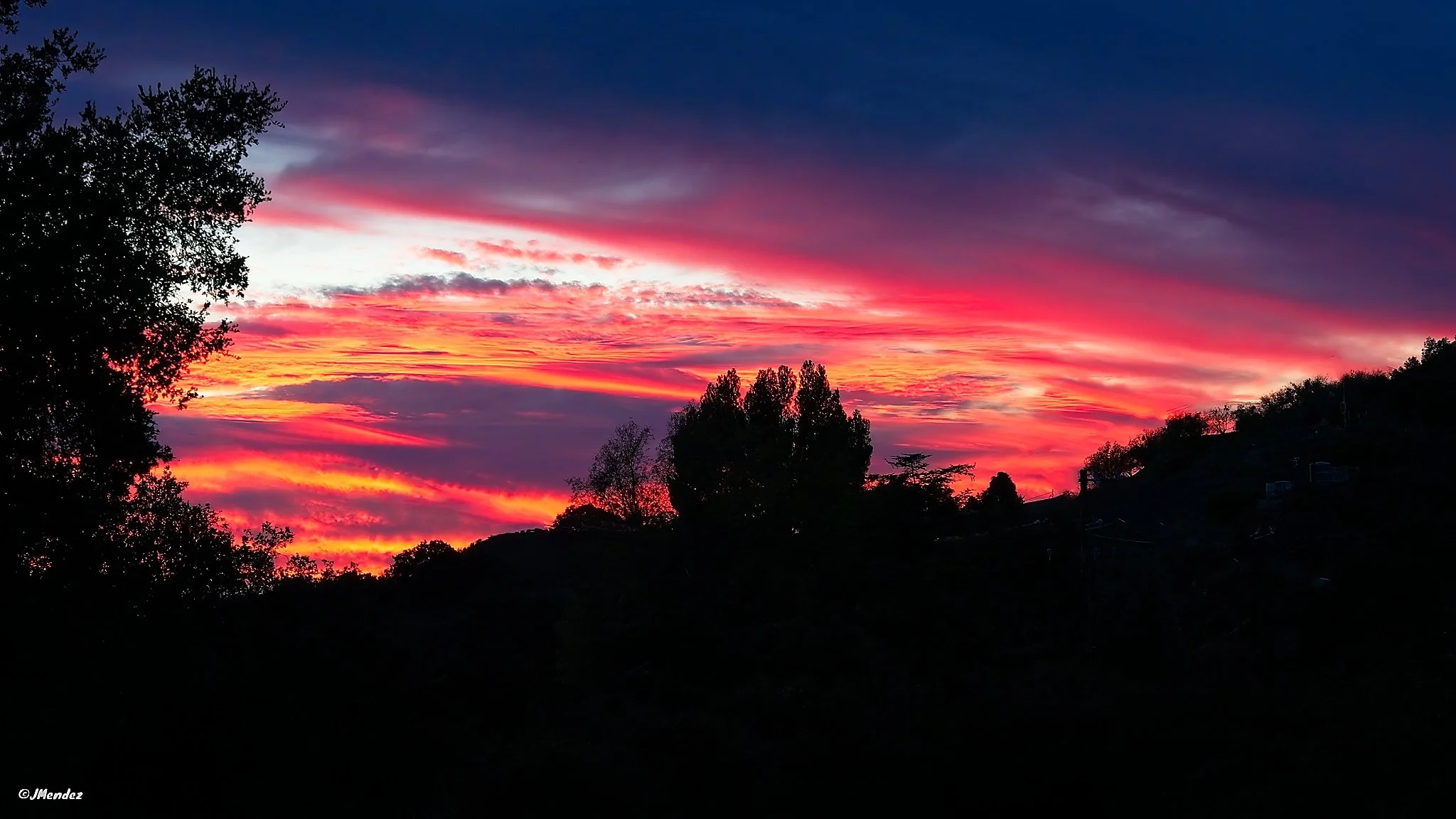
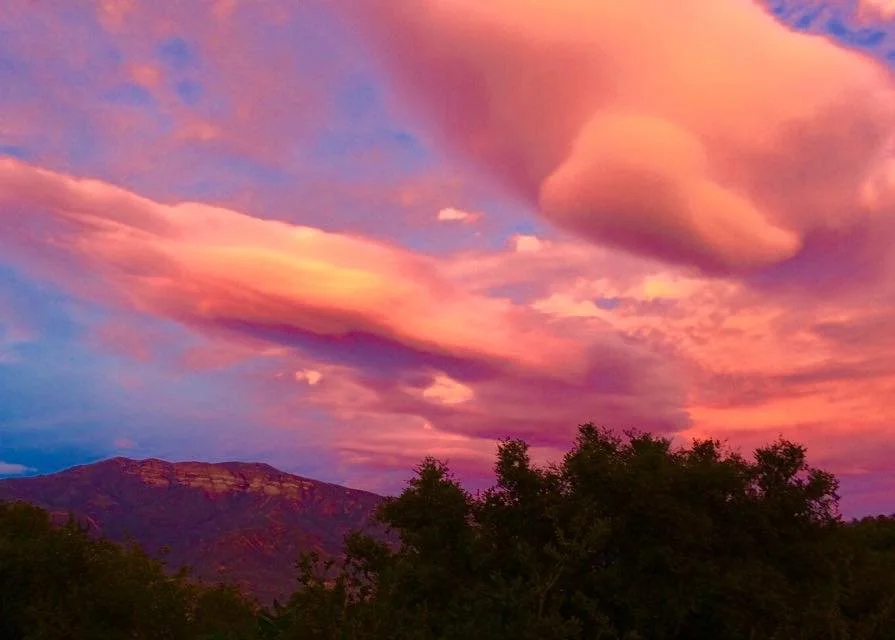
One late summer evening, photographer and guest caretaker Juan Mendez took this photo of the Topa Topa Bluffs as seen from Meher Mount. Long-time volunteer Sam L. Ervin suggested these words from the Sufi poet Rumi.

There are many winds full of anger, and lust and greed. They move the rubbish around, but the solid mountain of our true nature stays where it’s always been.
— Jalāl al-Dīn Muḥammad Rūmī

Jalāl al-Dīn Muḥammad Rūmī, also known as Rumi, was a 13th century poet and Islamic scholar. Avatar Meher Baba enjoyed listening to Rumi's poetry and praised him as one of the greatest minds of all mystical and spiritual literature.


Source
Coleman Barks, “Feeling the Shoulder of the Lion: Poetry and Teaching Stories of Rumi,” p.91, Shambhala Publications, 2000. (Selections from Rumi’s epic poem, Mathnawi.)


"My grace is always there..." - Avatar Meher Baba

Meher Mount

Your Friday photo…

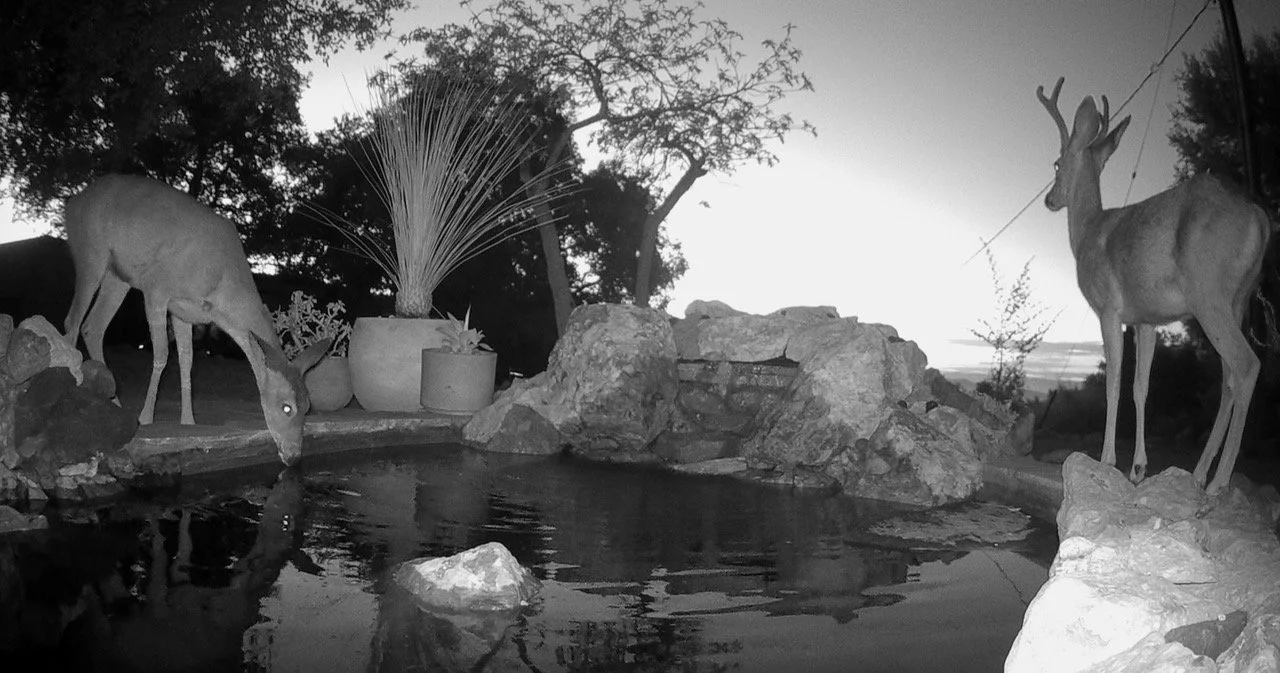
Photographer Juan Mendez captured this image of a fox drinking from a bird bath at Meher Mount. On Sulphur Mountain, birds and animals of all sizes visit because they are thirsty and looking for water.

The following story of thirst and Meher Baba’s grace is from Befitting a Fortunate Slave: Meher Baba's Eruch by Davana Brown. Eruch Jessawala (1916-2001) was one of Meher Baba’s closest disciples and often interpreted Baba’s hand gestures and use of the alphabet board. Davana Brown is a resident volunteer at Meherazad and was Eruch’s assistant.

My grace is always there; it is like a torrential river that is ever flowing. If you are thirsty you go to the river.
— Avatar Meher Baba

It was not unusual for the theme of grace to be discussed during pilgrim sessions in Mandali Hall (Meherazad, India) or around Eruch's table at the Meher Baba Trust Office (Ahmednagar, India) during teatime musings, Davana Brown writes.

The topic was talked about from every imaginable perspective. Eruch Jessawala responded:

“You are asking me, how do you receive His grace. For that you need the container. The thing is, we are all longing and begging for His grace asking. 'When will Your grace descend on us that we can love You and see You as You really are?'

“But Baba says, 'My grace is always there; it is like a torrential river that is ever flowing. If you are thirsty you go to the river. What is there to stop you? But the trouble is, in order that you should have the full advantage for receiving My grace, you need to have the container to hold it. And that vessel is your thirst. Without thirst there is no way out.'

“Grace needs the container, and suffering and His remembrance increase our thirst, which helps to shape the container.”

~Eruch Jessawala, Close Disciple of Meher Baba


Source
Davana Brown, Befitting a Fortunate Slave: Meher Baba's Eruch, Volume I: By Your Grace Anything is Possible, pg. 303. (Myrtle Beach: Sheriar Foundation) ©2024 Avatar Meher Baba Perpetual Public Charitable Trust, Ahmednagar, India.


"Look well therefore to this day..."

Meher Mount

Your Friday photo…

This scenic photo by guest caretaker Juan Mendez perfectly captures a late summer day at Meher Mount looking toward Baba's Tree and Avatar's Point. Clouds cover the Heritage Valley below with the South Mountain ridge peeking above them. The Santa Monica Mountains appear much farther in the distance.

Look well therefore to this day;
Such is the salutation to the ever-new dawn!
— Attributed to Kālidāsa

Look to this day:
For it is life, the very life of life.
In its brief course
Lie all the verities and realities of your existence.
The bliss of growth,
The glory of action,
The splendor of achievement
Are but experiences of time.

For yesterday is but a dream
And tomorrow is only a vision;
And today well lived, makes
Yesterday a dream of happiness
And every tomorrow a vision of hope.
Look well therefore to this day;
Such is the salutation to the ever-new dawn!

~Attributed to Kālidāsa


This poem is widely attributed to Kālidāsa, a renowned 4th-5th century Indian poet and dramatist considered one of the greatest Indian writers of any epoch. His plays and poetry written in Sanskrit are primarily based on the Hindu Puranas.

However, there's an important caveat about the poem's authenticity. The specific poem "Look to This Day" is likely a modern adaptation or paraphrase inspired by Kālidāsa's themes.


"It whispers to the flowers all, kissing the shining dew..."

Meher Mount

Your Friday photo…

This lovely photo of a bee among the lilies at Meher Mount was taken by guest caretaker and photographer Juan Mendez. The poem is by Mani S. Irani, Avatar Meher Baba’s sister and close disciple.

It whispers to the flowers all
Kissing the shining dew
Says words that every flower knows,
Oh Baba Loves me too.
— Mani S. Irani

Meher Baba’s Love

There dwells in a desolate countryside
On a far off lovely hill,
Its head turned up to the wide
Blue sky,
A yellow daffodil.

As it sways with joy in the gentle
Breeze.
It sings a song or two,
Which hold the sweetest words
On Earth.
Oh Baba, I, too, love you.

Around a pink rose in my garden
Hovers a bumble bee.
From rose to rose it dances wild in sheerest
Ecstasy.

It whispers to the flowers all
Kissing the shining dew
Says words that every flower knows,
Oh Baba Loves me too.

~Mani S. Irani


Source: Poems to Avatar Meher Baba, an Avatar Meher Baba Trust eBook, pg. 89. ©1985 Manifestation Inc., North Myrtle Beach, South Carolina.


"Love is the cleanser that wipes the mirror bright..." - Avatar Meher Baba

Meher Mount

Your Friday photo…

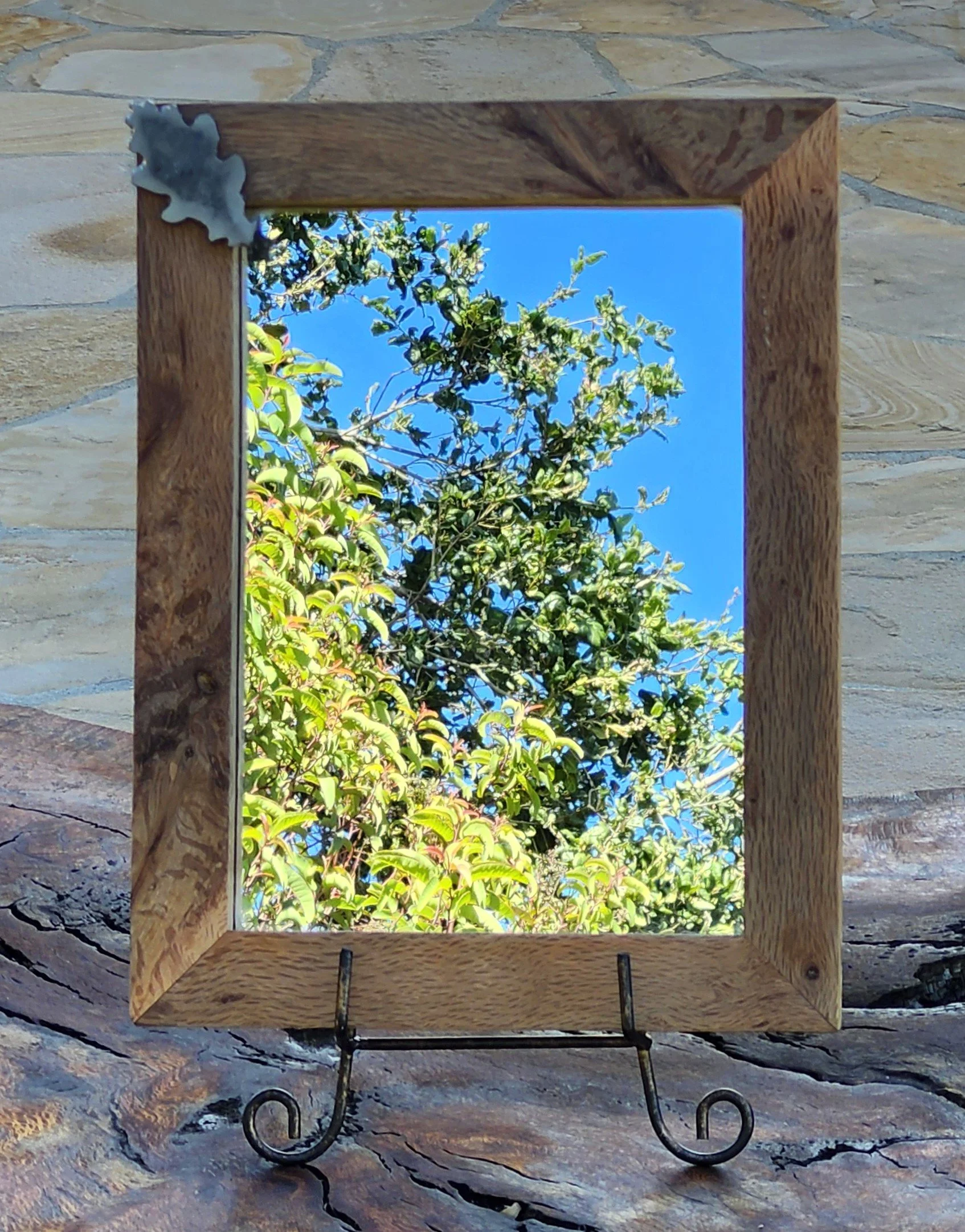
Artist and photographer Natalie Farsi took this photo at Baba’s Tree on a recent visit to Meher Mount. She calls it “Mirroring Divine Presence.” The quote from Avatar Meher Baba is shared by frequent visitor Martha Aubin.

Love is the cleanser that wipes the mirror bright and enables you to behold with increasing clarity the indivisible Entity that permeates all life.
— Avatar Meher Baba

I place these mirrors in wild landscapes, framing and shape-shifting the living world in ways that invite another way of seeing and connecting.

The series explores thresholds between the seen and unseen, the human and more-than-human.

Through this visual alchemy — presence, reflection, and transformation — the mirror opens a gateway into the liminal realm, where perception shifts and new ways of seeing and transcending can emerge.

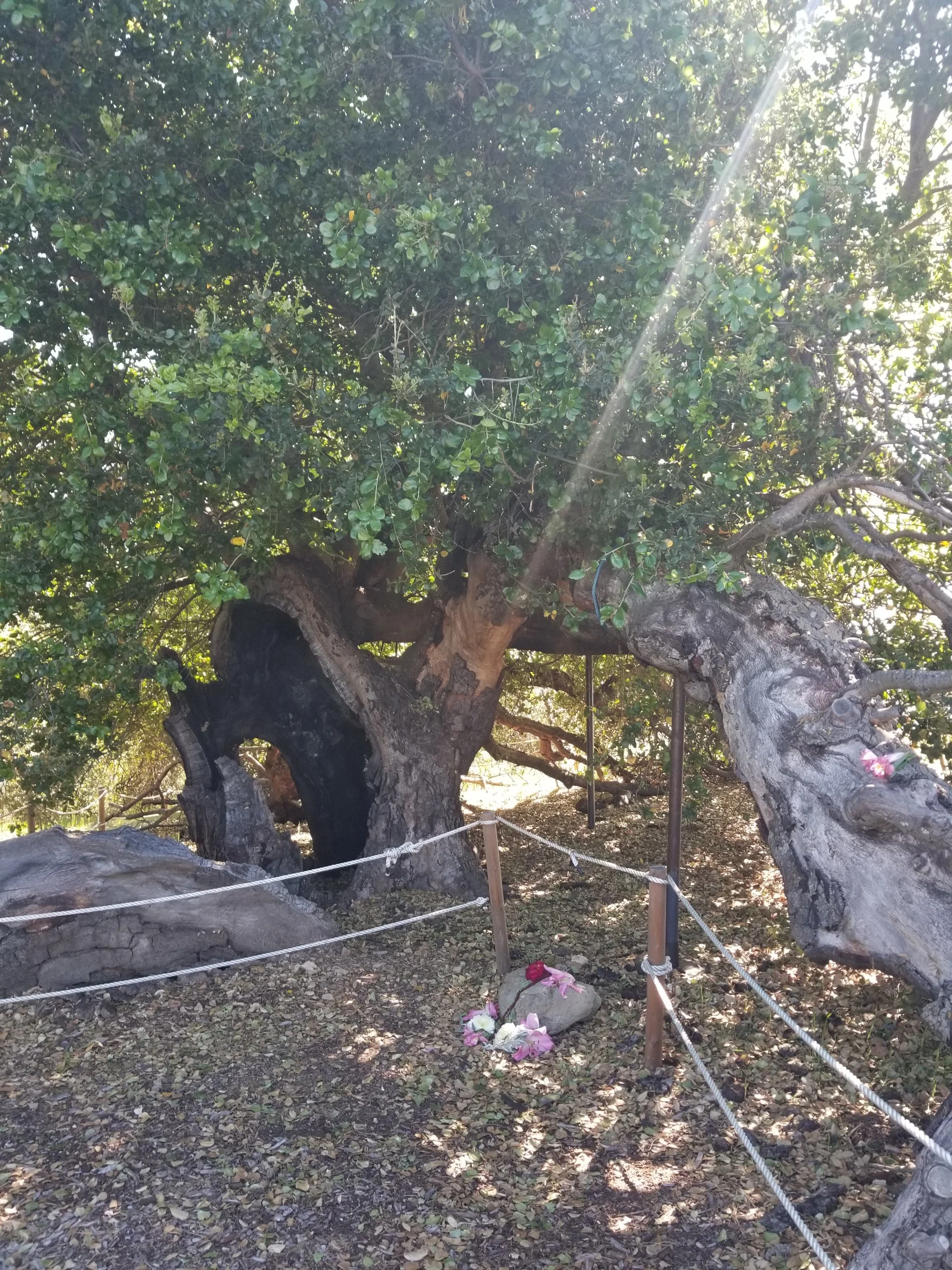
Here, the mirror rests in the gnarled branches of Baba’s Tree so the old can reflect the new — illuminating past, present, and future. The volcanic interior of the Earth, held within the obsidian mirror, gazes back at itself, capturing young leaves and rays of light from ever-present sources.

~Natalie Farsi, Photographer


Source

Meher Baba, Life at Its Best, edited by Ivy O. Duce, pg. 49, (Walnut Creek, CA: Sufism Reoriented) ©1957 by Sufism Reoriented, Inc.


"The only Real Surrender is that in which poise is undisturbed" - Avatar Meher Baba

Meher Mount

Your Friday photo is in honor of National Relaxation Day…

This view from a bench along the Old Well Road at Meher Mount was taken by visitor Stephanie Ervin.

The only Real Surrender is that in which poise is undisturbed by adverse circumstance, and the individual, amidst every kind of hardship, is resigned with perfect calm to the will of God.
— Avatar Meher Baba

Source

Meher Baba, Discourses, Sixth Edition, Volume I, pg. 2 (Myrtle Beach, SC: Sheriar Foundation) ©2007 Avatar Meher Baba Perpetual Public Charitable Trust, Ahmednagar, India.


"The sun does not shine for a few trees and flowers..."

Meher Mount

Your Friday photo…

This photo of two ground squirrels enjoying the warmth of the sun at Meher Mount was taken by guest caretaker Juan Mendez in August 2024.

Ground Squirrels generally live in parts of Washington, Oregon, California, and Baja California and are often seen at Meher Mount.

Some of the animals that call Meher Mount home stay out of the sun during the day, but bask in the sun in the evening to warm themselves.

The sun does not shine for a few trees and flowers, but for the wide world’s joy.
— Henry Ward Beecher

Henry Ward Beecher (1813-1887) was a Congregational minister whose oratorical skill and social concern made him an influential Protestant spokesman in his time. He was an abolitionist and worked with the women's suffrage movement in the United States. He often used metaphors of nature to convey moral and spiritual lessons about universal love.


"It's just leaves and branches. It shouldn't be that quiet."

Meher Mount

Your Friday photo is in honor of Tree of Fire, a documentary of Baba's Tree…

A consistent theme for visitors to Baba’s Tree at Meher Mount is the silence they experience at the tree.

“When I would go under Baba’s Tree, I would feel like it was much quieter than it had any right to be,” remembered former caretaker Billy Goodrum.

“There are no walls. It’s just leaves and branches. It shouldn't be that quiet.”

This photo of Baba’s Tree taken in 2014 by visitor Stephanie Ervin shows some of the leaves and branches of the tree’s giant canopy.

There are no walls. It’s just leaves and branches. It shouldn’t be that quiet.
— Billy Goodrum, Resident Caretaker, 2019-2002

“One thing that Meher Baba says is things that are real are given and received in silence,” said former caretaker Pamela Goodrum.

“For us, Baba’s Tree was a place of extraordinary silence.

“A place where you could go and you could really listen and hear something — a voice or something that you might not be able to hear otherwise anywhere else. And for some that might be Meher Baba, and for others that might be something else.”


Tree of Fire: A Story of Love and Resilience

Billy and Pamela Goodrum were resident caretakers at Meher Mount from 1999 to 2002. These comments are from their interview for the upcoming documentary about Baba’s Tree.

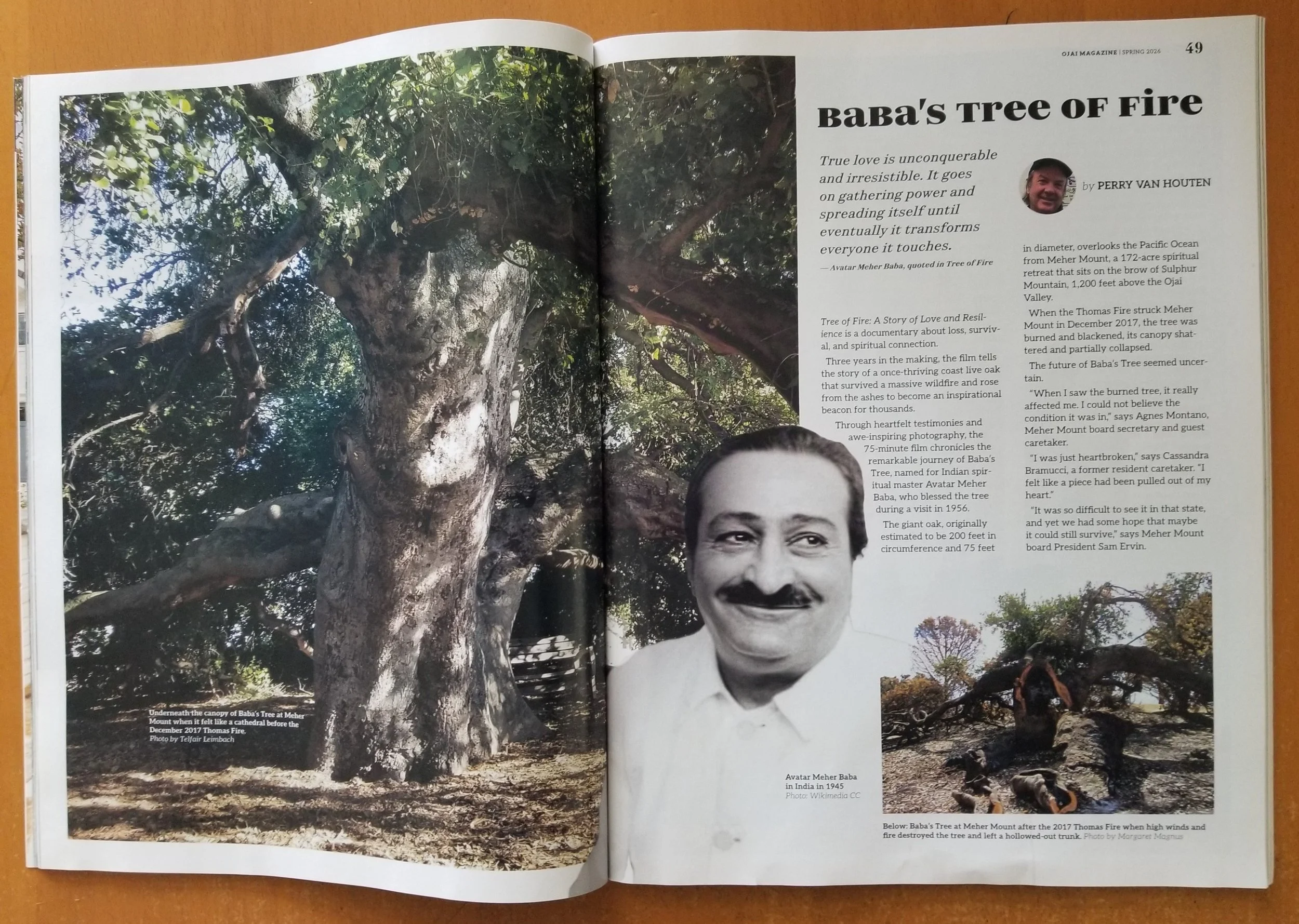
Tree of Fire is the journey of a seemingly ordinary oak tree blessed by the presence of Avatar Meher Baba. For decades, Baba’s Tree fulfills its role of inspiring others. Then one night it is felled by fire and high winds. Its very existence is threatened.

Through the tree’s own resilience and love, it is transformed by fire to emerge even more powerful in radiating Meher Baba’s love.


"It makes that instant of Meher Baba at Baba's Tree particularly intimate and private."

Meher Mount

Your Friday photo celebrates Avatar Meher Baba’s visit to Meher Mount on August 2, 1956…

“What I find particularly interesting about Meher Baba’s interaction with Baba’s Tree at Meher Mount is that there are no photos of Him under the tree," noted guest caretaker and board member Agnes Montano.

“To me, it makes that instant of Meher Baba at Baba’s Tree so particularly intimate and private.”

Over the years, guests have placed photos of Meher Baba under the tree in remembrance of Him.

In 2017, Wayne Myers and a friend visited. “We brought flowers and arranged them around the heart rock [marking the spot where Meher Baba sat] with one of my ‘travel Baba photos.’ It was just a spontaneous touch,” he remembered.

To me, that makes that instant of Meher Baba at Baba’s Tree so particularly intimate and private.
— Agnes Montano, Guest Caretaker & Board Member

Agnes Montano’s comments are from her film interview for the documentary, Tree of Fire: A Story of Love and Resilience:

“I’ve always been intrigued by the fact that on August 2, 1956, when Meher Baba was at Meher Mount, there were people taking photos. They were filming Him. But no photos of Him under Baba’s Tree.

“Throughout His presence on earth, Meher Baba had many interactions with trees. I have a whole collection of photos of Meher Baba with trees where He’s climbed on the tree, leaned on it, touched the leaves… but then here at Meher Mount, there’s no image of that moment.

“Meher Baba went under Baba’s Tree and had such a private moment.  He asked everyone else to stay away, and He was there alone. He left such a gift there.

“I see people visiting who have never heard about Meher Baba and all of a sudden, they just show up at Meher Mount because they feel that they need to be there.

“So, the presence of Meher Baba is calling people. It’s like a beacon calling people, almost like a lighthouse.”